
6 Most Common Auto Repairs and How to Avoid Them
Owning a vehicle comes with inevitable maintenance challenges, from minor wear-and-tear to more serious mechanical issues, but taking a proactive approach can save you significant time, money, and stress over the life of your car. By learning about the most common auto repairs and recognizing early warning signs, you can prevent small issues from escalating into costly or inconvenient breakdowns. Routine inspections, timely fluid checks, and preventive care not only help extend your vehicle’s lifespan but also maintain its performance, efficiency, and reliability. Staying attentive to maintenance schedules, understanding how each system functions, and addressing minor problems promptly ensures safer, smoother, and more confident driving every time you hit the road.
1. Prevent Engine Overheating
Engine overheating is a serious issue that can quickly lead to costly damage if left unchecked. It is often caused by low coolant levels, a malfunctioning radiator, a faulty water pump, blocked radiator passages, or a failing thermostat. Broken radiator fans and leaking hoses can also contribute, making it critical to maintain a properly functioning cooling system.
Recognizing the signs of an overheating engine helps prevent serious consequences. High temperature gauge readings, steam or smoke from under the hood, a burning smell, and sluggish performance are all warning indicators that the engine is under stress and requires immediate attention.
Preventing overheating starts with regular maintenance. Keep coolant levels topped off and replace it per manufacturer recommendations. Inspect the radiator and hoses for leaks, test the thermostat periodically, and consider upgrading to a high-performance radiator or quality coolant if you frequently drive in demanding conditions. Staying proactive with these steps can help reduce the need for costly auto repairs and keep your engine running smoothly.
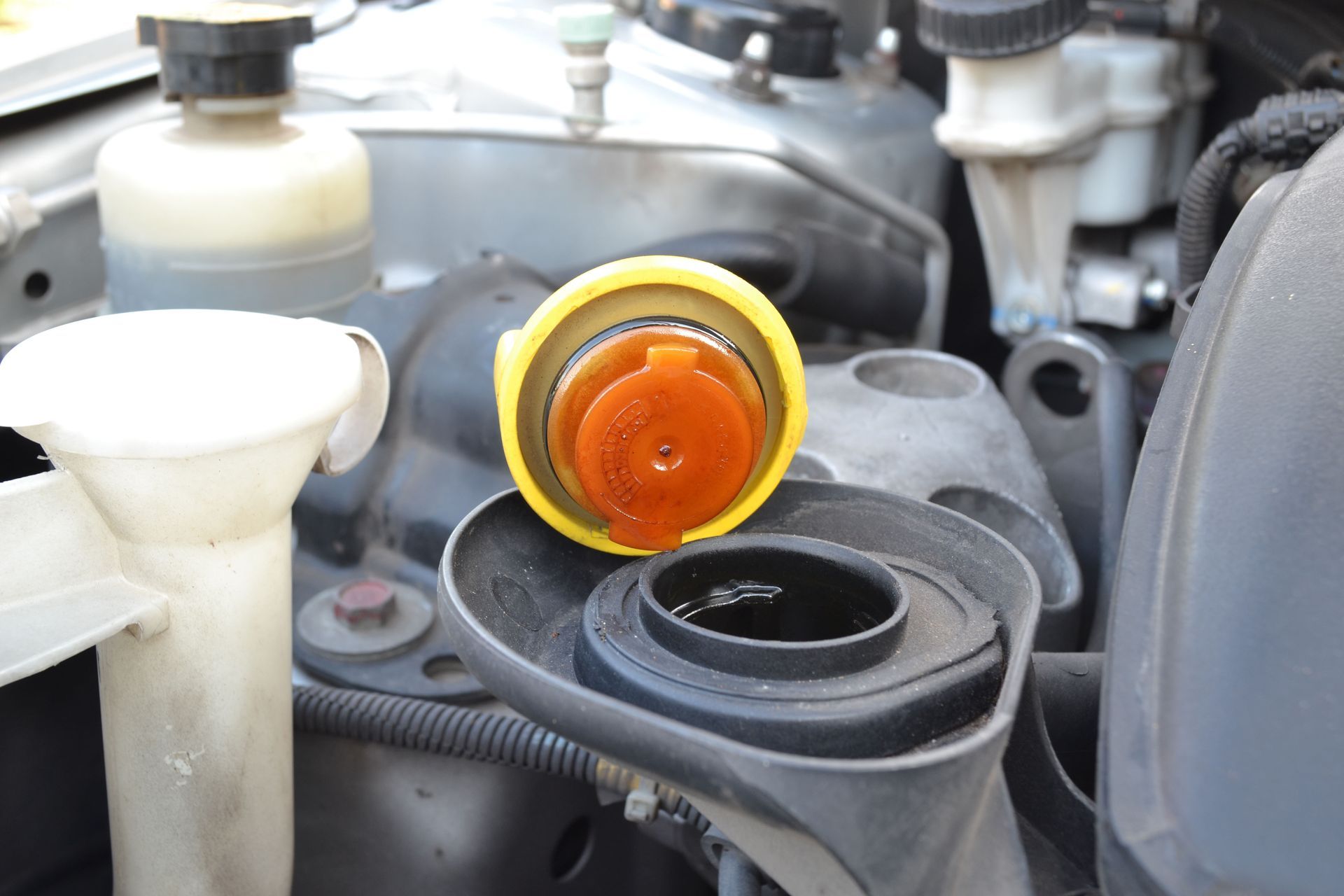
If your engine does overheat while driving, safely pull over and turn off the air conditioning. Switch the heat to maximum to draw heat away from the engine, allow it to cool before checking coolant levels, and never open the radiator cap when hot. If needed, call a professional to avoid severe engine damage.
2. Inspect Brake Systems Regularly
Brake system repairs are among the most common auto repairs drivers face. Worn brake pads reduce stopping efficiency and can damage rotors, warped rotors cause vibrations, and leaks in brake lines can compromise braking power. Prompt attention is crucial for both performance and safety.
Drivers should watch for warning signs such as squealing or grinding noises, pulsing or vibrating brake pedals, pulling to one side during braking, or reduced responsiveness. Ignoring these symptoms can lead to more serious issues or accidents.
Routine brake inspections prevent problems from escalating. Regularly check pad thickness, rotor condition, and brake fluid levels, replace fluid according to manufacturer guidelines, and inspect brake lines for leaks or corrosion. Preventive measures, such as gradual braking, maintaining proper wheel alignment, and avoiding overloading the vehicle, help extend brake life.
According to Cars.com, if you frequently drive in city traffic or rush-hour conditions, brake pads may wear out after just 15,000 to 30,000 miles. This emphasizes the importance of regular inspections and timely replacement to maintain safety and performance.
3. Maintain Transmission Health
Transmission problems can range from difficulty shifting and slipping gears to complete failure to stay in gear. Common causes include leaks in transmission fluid, worn gears, failing clutches in manual transmissions, and issues with control modules or solenoids. Neglecting these problems can lead to severe damage and costly repairs, so addressing even minor signs early is essential to prevent total transmission failure.
Drivers may notice warning signs such as whining, clunking, or grinding noises when shifting gears, hesitation or delayed response during acceleration, burning odors, or fluid that appears dirty or smells burnt. These symptoms indicate that the transmission is under stress and requires immediate attention. Recognizing these early can save you from more extensive auto repairs and keep your vehicle running smoothly.
Maintaining your transmission properly involves several proactive steps. Regularly check and replace transmission fluid according to your vehicle’s manufacturer recommendations, avoid aggressive driving habits that strain transmission components, and consider installing auxiliary transmission coolers if you frequently tow heavy loads or drive in hot conditions. Performing DIY checks with a dipstick can help monitor fluid levels and detect potential problems, but these should complement—not replace—professional inspections.
If you experience persistent issues, unusual noises, or difficulty shifting gears, it’s crucial to seek professional evaluation as soon as possible. Early intervention by a certified technician ensures that the transmission operates efficiently, prevents further damage, and reduces the risk of a complete failure, which often requires costly replacement. Consistent maintenance and timely attention to warning signs are the keys to extending the life and reliability of your transmission.
4. Protect Battery Performance
Batteries can fail due to leaving lights on, parasitic electrical drains, a faulty charging system, or simply age. Extreme hot or cold weather also impacts battery efficiency, making routine checks essential for avoiding unexpected breakdowns.
Symptoms of a failing battery include slow engine crank, dimming headlights, dashboard warning lights, frequent jump-starts, and visible corrosion around terminals. Recognizing these signs early allows for timely maintenance.
Maintaining a battery involves inspecting and cleaning terminals, ensuring a secure mount, and checking voltage levels. Replacing a battery safely requires disconnecting the negative cable first, then the positive, and securing the new battery properly. Regular use of the vehicle and limiting electronic use when the engine is off also preserves battery life.
Taking extra precautions in extreme temperatures, such as using battery insulators, and having the charging system checked regularly helps extend battery lifespan. Consistent monitoring reduces the risk of costly auto repairs and being stranded due to battery failure.
5. Monitor Tires and Wheels
Tire and wheel issues are common auto repairs that affect safety and performance. Overinflated or underinflated tires cause uneven wear, while sharp objects, potholes, and rough roads increase the risk of punctures or blowouts. Misalignment accelerates tire wear and reduces fuel efficiency.
Signs of tire problems include uneven tread wear, sidewall cracks, bulges, vibrations, or steering pull. Paying attention to these indicators can prevent serious incidents.
Proper tire maintenance includes checking pressure regularly, rotating tires every 5,000–8,000 miles, and replacing tires before they become unsafe. Professional alignment and balancing services help ensure smooth handling and even wear.
Being prepared for emergencies, by carrying a spare, jack, and tire sealant, is also critical. Quick response to tire issues can prevent accidents and allow you to continue driving safely.
6. Service Suspension Systems
The suspension system ensures vehicle stability, comfort, and control. Problems often arise from worn shocks, struts, or springs, as well as steering difficulties or unusual noises when driving over bumps. Addressing issues early prevents costly repairs.
Indicators of suspension problems include excessive bouncing, uneven tire wear, drifting when turning, and clunking or knocking noises. Recognizing these signs can help you schedule maintenance and prevent costly auto repairs before issues worsen.
Preventive suspension maintenance involves regular inspections of shocks, struts, bushings, and related components. Proper alignment, balancing, and keeping the undercarriage clean also reduce wear and extend system life.
DIY checks, like testing bounce response or listening for unusual noises, can catch early problems. However, professional evaluation ensures that all suspension components are functioning safely and effectively.
Being proactive about vehicle maintenance drastically reduces the need for frequent auto repairs. Regular inspections, early interventions, and adherence to best practices for each system enhance safety, reliability, and vehicle longevity. Since owning a car represents a significant investment, taking these steps also helps manage costs and preserve value. By staying vigilant and maintaining your vehicle consistently, we at Integrity Automotive can help ensure smoother, safer, and more enjoyable driving experiences. Let’s work together to keep your car running at its best.




Share On: